
Last updated November 3, 2026
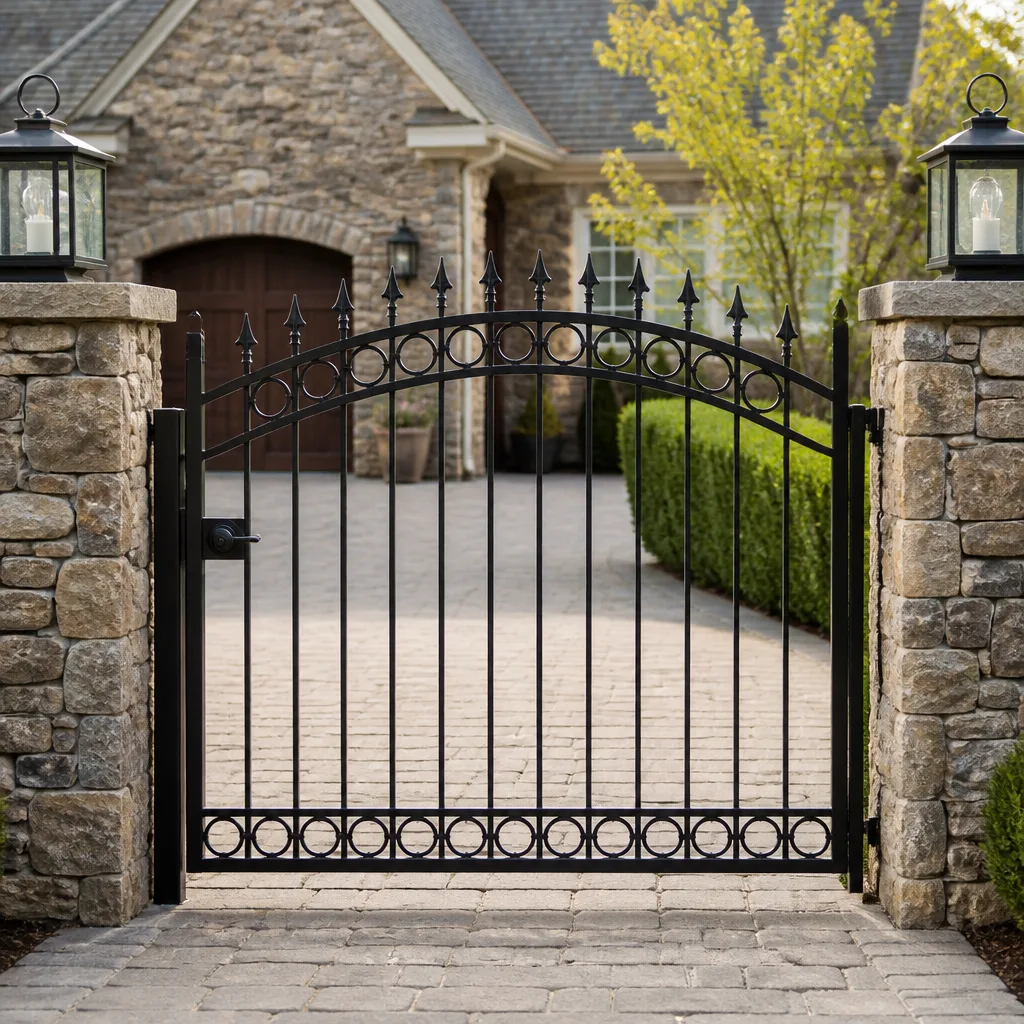 Wrought iron
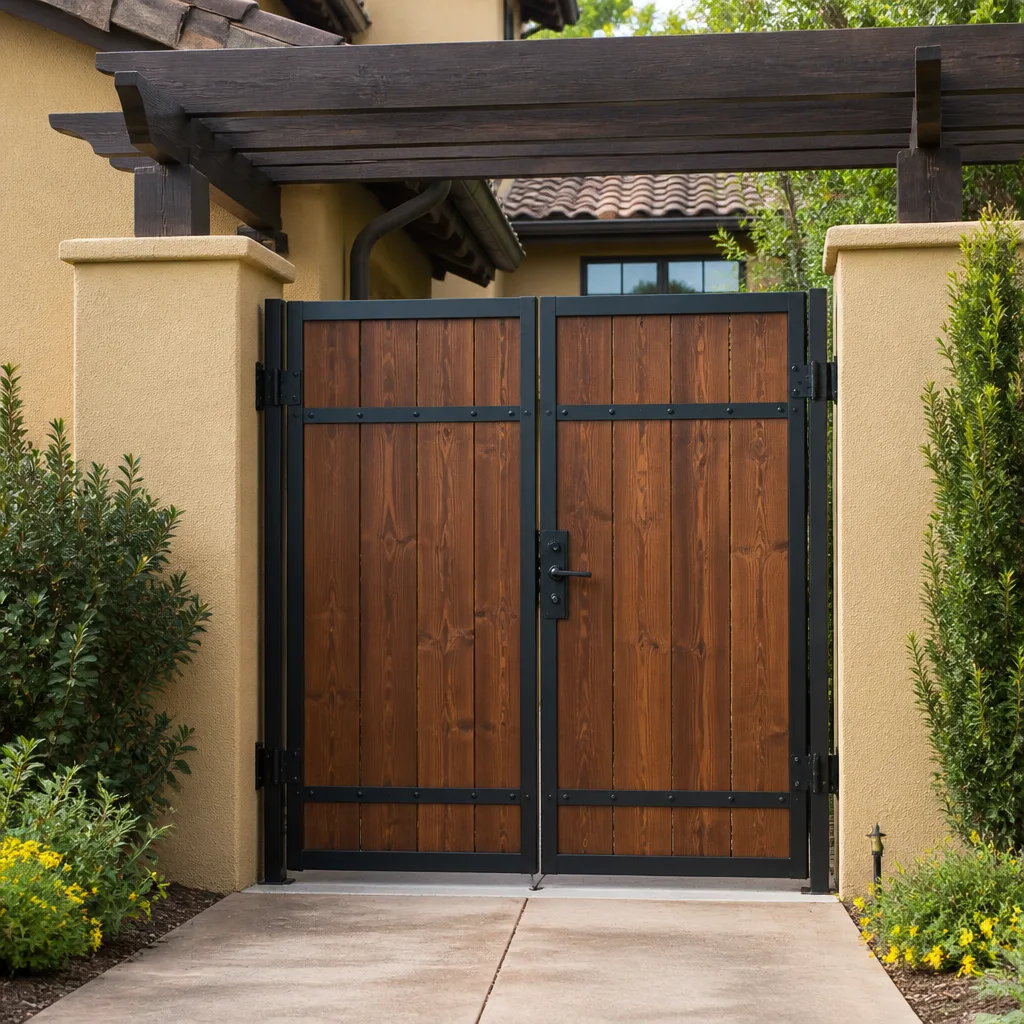 Wood & steel frame
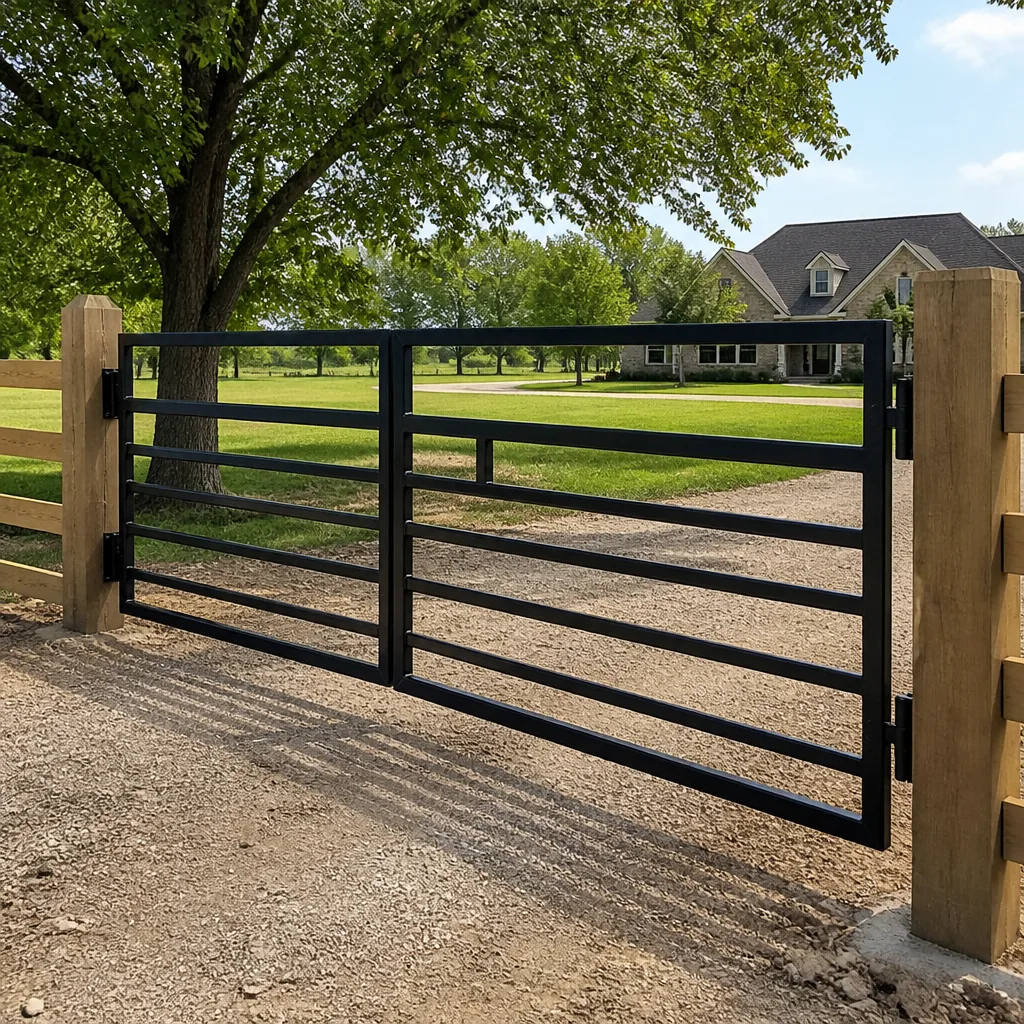 Farm & ranch
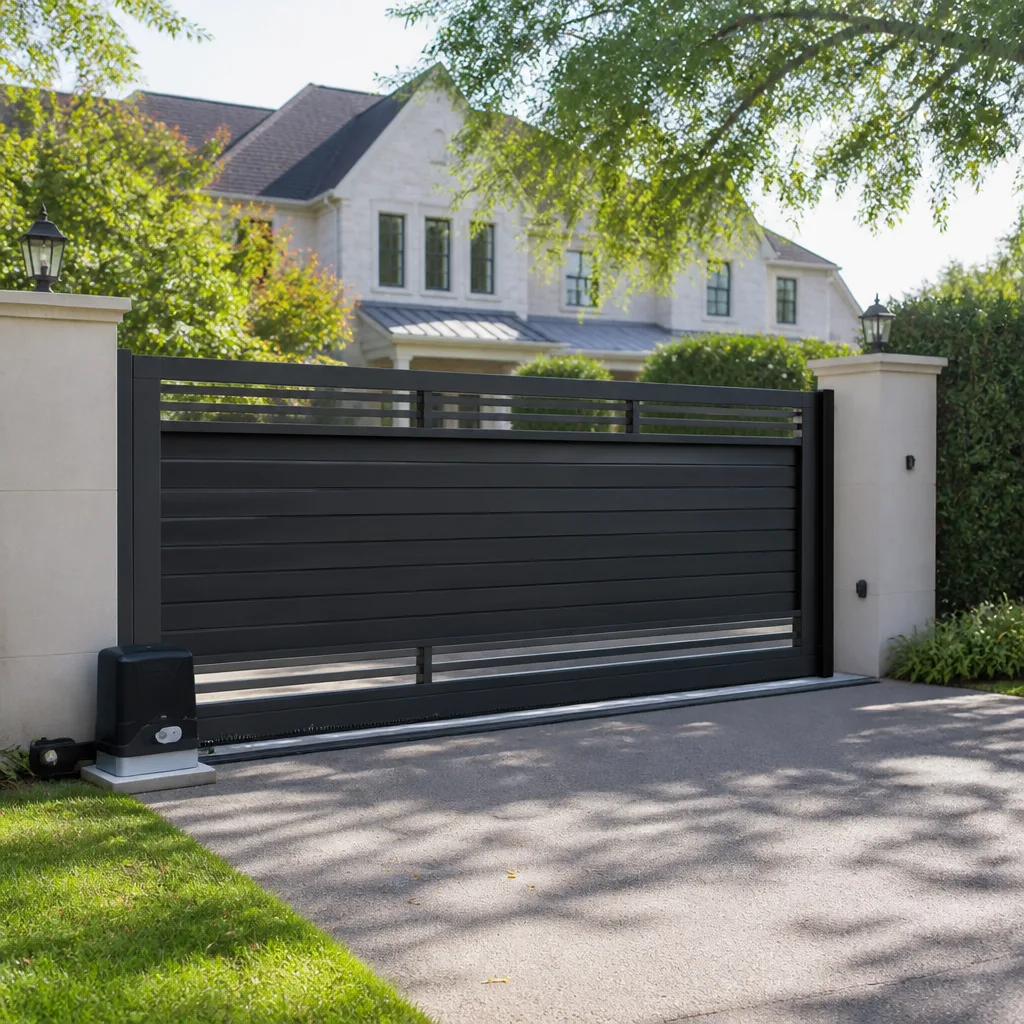 Sliding driveway gates
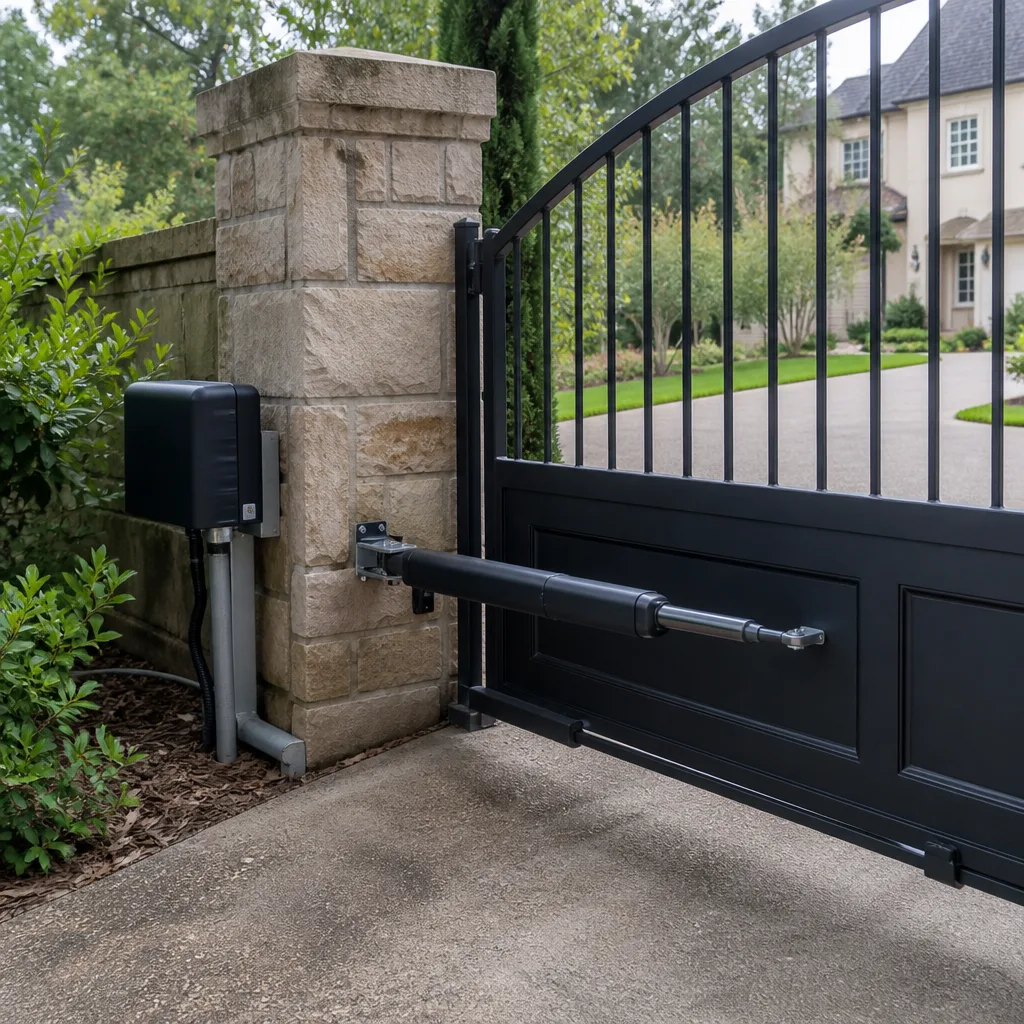 LiftMaster operators
Free on-site gate assessment - hinges, posts, and your LiftMaster or Nice gate operator checked before anything is quoted
The assessment is free and the quote is the invoice.
Get your free estimateChoosing the Right Gate Repair Brand: A Buyer’s Guide for Rialto
Most gate buyers in Rialto spend weeks comparing horsepower ratings, duty cycles, and solar compatibility, then pick the brand with the longest spec sheet. Then the unit fails eighteen months later and they discover the nearest technician who actually stocks parts for that brand is in San Bernardino, the replacement control board is backordered three weeks, and their driveway is effectively unsecured. The operator with the most impressive marketing is often a liability. This guide will teach you to evaluate gate brands the way technicians do: by repairability, parts availability, and local service density in the Inland Empire, not by brochure claims.
Styles & brands we work with
- Wrought iron
- Wood & steel frame
- Farm & ranch
- Sliding driveway gates
- LiftMaster operators
Quick Answer
The right gate repair brand in Rialto is one with strong local parts distribution and multiple trained technicians in the Inland Empire, not necessarily the brand with the most features or the lowest price. LiftMaster and FAAC consistently offer the best combination of parts availability, technician familiarity, and durability for residential and light commercial use in this market. If you already own a system from another brand, the strongest move is usually repairing it with brand-matched parts rather than switching brands mid-life.
Table of Contents
- Why Repairability Beats Brand Prestige
- Which Brands Have Real Parts Networks in the Inland Empire
- How to Evaluate a Brand Before You Buy
- Residential vs. Commercial Duty: Why Rialto Gates Get Undersold
- Hardware Brands: Hinges, Rollers, and Tracks That Last
- Your Gate Failed Mid-Life: Same Brand or Switch?
- What a Proper Brand-Specific Installation Includes
- Common Mistakes to Avoid
- When to Call a Professional
- Frequently Asked Questions
- The Bottom Line
Why Repairability Beats Brand Prestige
A gate operator is not a smartphone. You will not replace it every two years for the newest model. A properly installed operator should run for ten to fifteen years, and most of that lifespan will be determined by what happens when a component fails, because components always fail. The capacitor goes. The limit switch wears out. The control board takes a surge during a Santa Ana wind event. The question that matters in Rialto is not whether the brand has a good warranty, but whether a technician can get a replacement part within 48 hours and install it without a four-hour diagnostic guessing game.
We see this pattern constantly in our gate repair work across Rialto. A homeowner buys a well-reviewed operator online, installs it or has a handyman install it, and eighteen months later the board fails. The brand has no distribution center in Southern California. The replacement part ships from a warehouse in Ohio. Meanwhile the gate is stuck open or closed, the driveway is exposed, and the homeowner is paying a technician hourly to temporarily bypass the system while they wait.
Repairability has three measurable components:
- Parts availability: Can a replacement control board, capacitor, or limit switch be sourced from a local distributor within two business days?
- Technician density: How many qualified technicians in the Inland Empire actually work on this brand regularly? A brand with one authorized dealer in Los Angeles is not locally serviceable.
- Parts pricing: Are replacement components priced reasonably, or does the brand use proprietary parts as a profit center that makes repairs cost more than replacement?
LiftMaster and FAAC score well on all three in the Inland Empire. That is not because they are the fanciest brands. It is because they have built distribution and training networks that reach local markets like Rialto. The best gate brand is the one that can be repaired fast when it breaks, and that is a question about logistics more than engineering.
Which Brands Have Real Parts Networks in the Inland Empire
National distribution is not the same as local availability. A brand can be sold at every big-box retailer in the country and still have no local parts stock in the Inland Empire. When you evaluate a brand, ask specifically where its parts ship from and which local distributors carry them.
LiftMaster has the deepest residential and light commercial parts network in this region. Control boards, gear kits, remote controls, and photo eye sensors are stocked by multiple distributors within driving distance of Rialto. That means a repair that requires a new logic board can often be completed same week, not same month. LiftMaster’s market share also means more technicians have seen the failure modes before, which shortens diagnostic time.
FAAC holds a strong position in the hydraulic and heavy-duty slide gate market. For commercial properties and high-cycle residential gates, FAAC operators are common in the Inland Empire, and replacement hydraulic pumps, solenoids, and control boards are available through established channels. FAAC equipment is engineered for continuous use, and the company’s parts support reflects that: components are stocked, not special-ordered.
Elite and Mighty Mule occupy different positions. Elite operators are solid mid-range residential units with decent parts availability, though the brand has less technician density locally than LiftMaster. Mighty Mule is ubiquitous in the DIY market because it is affordable and sold everywhere, but its parts are often treated as replaceable rather than repairable, and the local independent technician base for Mighty Mule is thinner than for LiftMaster. That does not make Mighty Mule a bad product. It makes it a product whose long-term ownership costs can exceed its purchase price when repairs require more diagnostic time or part sourcing.
For a homeowner in Rialto, the practical advice is this: if you are buying new and want the lowest cost of ownership over a decade, lean toward LiftMaster or FAAC because the local service infrastructure exists. If you already own a Mighty Mule or Elite unit, do not rip it out prematurely. We service those brands too, and a good technician can keep them running. The brand choice matters most when you are installing from scratch and can still choose.
How to Evaluate a Brand Before You Buy
Most buyers evaluate gate brands backwards. They start with features, then price, then warranty length, and never ask the questions that determine whether the gate will still be working in five years. Here is the evaluation sequence a technician would use, and you can find more guides & resources on our blog.
- Call a local gate repair company and ask which brands they service most. This is the single most revealing question. The brands a local company sees most often are the brands with the largest installed base, which usually means better parts availability and more experienced technicians. In Rialto, that answer is typically LiftMaster for residential and FAAC for commercial.
- Ask about replacement board availability specifically. Control boards are the most failure-prone electronic component in any operator. Ask a distributor or technician how long it takes to get a replacement board for the brand you are considering. If the answer is “we special order those,” treat that as a warning sign.
- Check parts pricing before purchase. Some brands sell operators cheap and parts expensive. A $400 operator with a $350 control board is a worse long-term value than a $600 operator with a $120 board. Ask for the price of the three most commonly replaced components: the control board, the capacitor or transformer, and the remote controls.
- Ask which brands fail most and least. Technicians will not publicly trash brands, but they will tell you which ones they replace under five years versus which ones they see still running at fifteen. In our experience across Rialto, LiftMaster residential units routinely hit the decade mark, while some entry-level imports are showing control board failures inside three years.
- Look for a local authorized dealer. A brand with no authorized dealer within 50 miles of Rialto is a brand you will be mail-ordering parts for. That is a logistical tax on every future repair.
Residential vs. Commercial Duty: Why Rialto Gates Get Undersold
Every gate operator has a duty cycle rating, which measures how many cycles per hour the unit can run without overheating. Residential operators are typically rated for 10 to 12 cycles per day. Commercial operators are rated for continuous or high-cycle use. The problem in Rialto is that many properties have residential traffic patterns that exceed residential duty ratings.
Think about a typical Rialto household with two working adults and two driving-age teenagers. That is four cars entering and leaving at different times. Each car exit and entry is two cycles. Four cars means eight cycles minimum before you factor in deliveries, visitors, landscaping crews, and pool service. That household is running a residential-duty gate at or above its designed limit every single day.
High-cycle wear shows up in predictable ways. Motors overheat in summer, when Rialto temperatures routinely exceed 100 degrees in July and August and the operator’s thermal protection kicks in. Gear wear accelerates. Capacitors fail earlier. The operator that should last twelve years dies at seven, and the homeowner assumes the brand is bad when the real issue is the sizing.
The fix is not necessarily a commercial operator, which costs two to three times as much and may require a different power setup. The fix is honest cycle counting before purchase. If your household runs eight or more cycles daily, look at a light commercial rating or a residential unit with a higher duty class. If a seller tries to sell you a residential operator without asking about your traffic volume, that is a red flag. The gate is being undersized to hit a price point, and you will pay for it in shortened lifespan.
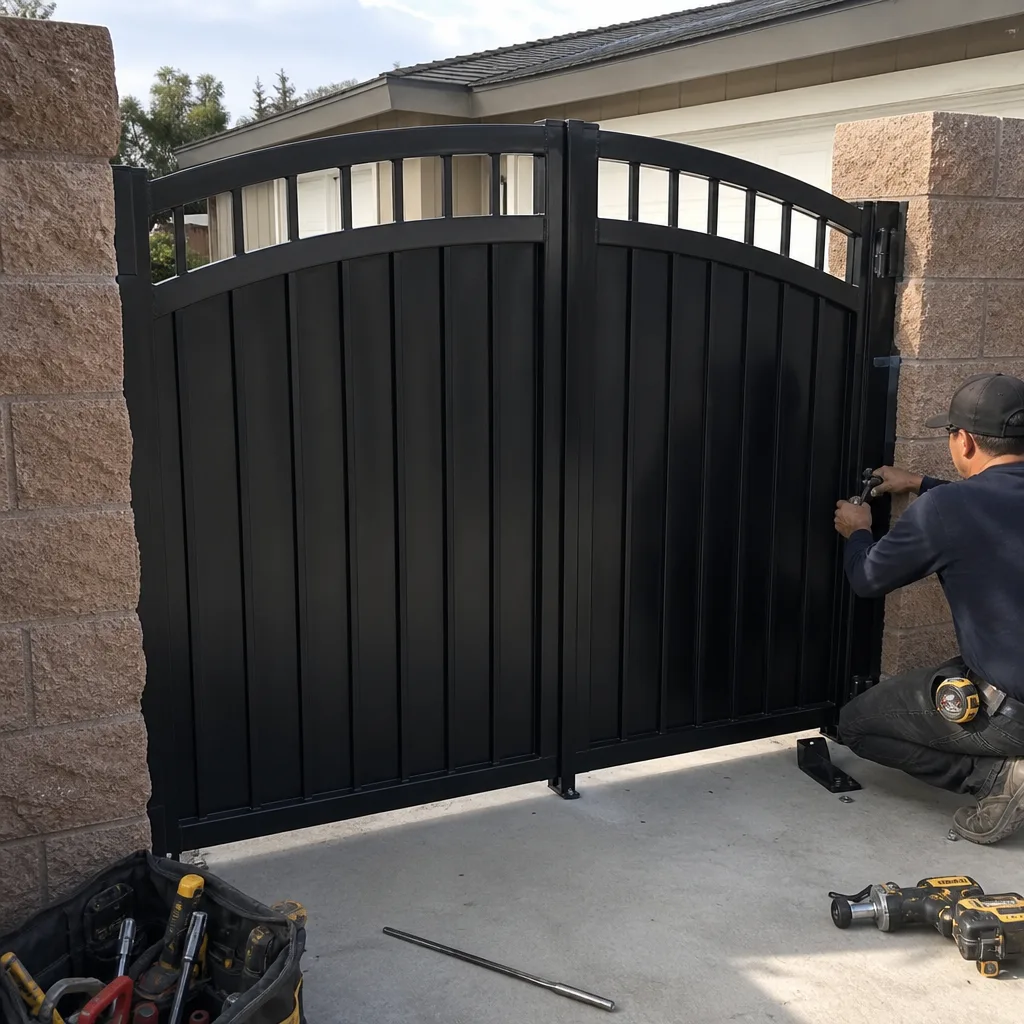
This is one reason we recommend having a specialist evaluate your actual usage before you commit to a new installation. A gate installation in Rialto done right starts with measuring how the gate is actually used, not just what the budget allows.
Hardware Brands: Hinges, Rollers, and Tracks That Last
The operator gets all the attention, but the hardware that carries the gate’s weight determines how long the entire system lasts. In Rialto’s climate, hardware faces a specific set of challenges: extreme summer heat, UV exposure that degrades plastic components, and the fine dust that blows in from the San Bernardino Valley and works its way into bearings and roller tracks.
Builder-grade gate hardware, the kind spec’d by production homebuilders, is typically zinc-plated steel designed to meet a price point, not to survive a decade outdoors. In Rialto’s climate, that hardware starts rusting at the welds within three years and fails by year five. Contractor-grade hardware is hot-dip galvanized or powder-coated after welding, uses sealed bearings instead of open races, and is built with thicker gauge steel throughout.
When comparing hardware brands, look for these characteristics:
- Hot-dip galvanized or powder-coated finishes on all steel components, including the inside of tubes and the edges of welds.
- Sealed ball bearings in hinges and rollers rather than open or shielded bearings that fail when dust infiltrates.
- Heavier gauge steel in the gate frame itself. A gate that flexes in the wind will wear hinges and rollers faster.
- Replaceable wear components. Good hinges have replaceable bearings. Good rollers can be swapped without replacing the entire track assembly.
The hardware brands that meet these standards are typically sold through gate and fence supply houses, not home improvement stores. Names like Elite and DoorKing are better known for operators, but the hardware that carries a gate is often sourced from industrial suppliers whose products carry no consumer-facing brand at all. The brand matters less than the specification. Judge hardware by its finish, bearing type, and steel gauge, not by a logo.
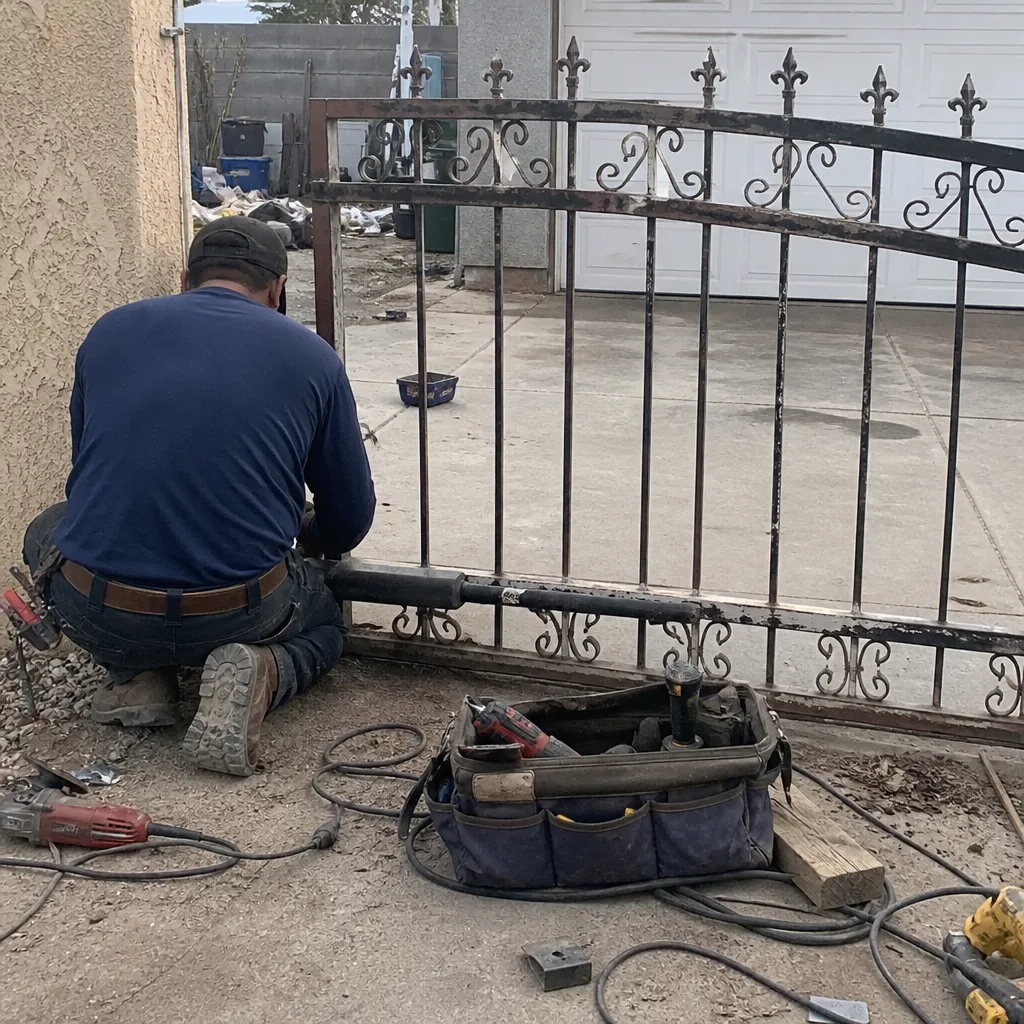
For electric gate systems in Rialto, the same principle applies to the electrical components. A proper electric gate repair includes checking not just the operator but every hinge, roller, and track surface that carries load, because mechanical wear is what eventually kills electrical components.
Your Gate Failed Mid-Life: Same Brand or Switch?
When an operator fails at year eight of what should be a twelve-year lifespan, the homeowner faces a decision: buy the same brand as a drop-in replacement, or switch to a different brand entirely. Most people assume switching is the better move because they are unhappy with the failure, but the correct answer depends on why the unit failed.
If the failure was caused by undersizing, a brand switch will not fix the problem unless the new operator has a higher duty rating. If the failure was caused by poor installation, a brand switch will not fix the problem unless the new installer does better work. If the failure was caused by a control board defect that is common to that model, switching brands may be the right call. And if the failure was simply age and wear, replacing with the same brand is the path of least resistance and lowest cost.
Here is the decision sequence we walk customers through when they are facing a mid-life replacement:
- Diagnose the actual failure first. Do not replace an operator without knowing what died. A $40 capacitor failure does not justify a $700 operator replacement.
- If the failure is isolated and repairable, repair it. This is almost always the best value, regardless of brand.
- If the failure is the control board and the board is backordered or discontinued, evaluate replacement. At this point, staying with the same brand may require a new operator anyway, so brand switching becomes a real option.
- If the operator was undersized from day one, this is your chance to correct it. Switching to a higher duty rating matters more than switching brands.
- If the existing installation is otherwise solid, staying with the same brand preserves parts compatibility. Your existing remotes, keypads, and loop detectors may carry over, which saves hundreds.
There is no universal right answer. A homeowner with a failed Mighty Mule that is six years old and a gate that is otherwise in good shape is often better served by a LiftMaster replacement with a higher duty rating, but a homeowner with a LiftMaster that simply wore out its gear train after eleven years is almost always better served by a same-brand replacement. The brand decision should follow the diagnosis, not precede it.
If you are uncertain what failed and why, start with a diagnostic visit rather than a replacement quote. The answer may be a $150 repair, not a $900 operator.
What a Proper Brand-Specific Installation Includes
Brand choice matters less than installation quality, but the two are connected. A technician who does not know the brand-specific programming sequence, limit adjustment procedure, and force setting methodology is likely to install even a good operator incorrectly. Brand-specific training is not a marketing gimmick. It is the difference between a gate that stops reliably at full open and one that slams or reverses unpredictably.
A proper installation of a gate operator in Rialto includes more than bolting the unit to a post. Here is what the process should include:
- Gate weight and cycle verification: The technician should measure the gate weight and confirm the operator’s duty rating matches actual usage before installation begins.
- Brand-specific programming: Each manufacturer has its own process for setting travel limits, force sensitivity, and obstruction detection. Installing a LiftMaster with FAAC programming intuitions is a recipe for malfunction.
- Safety edge and photo eye configuration: Automatic gates are required to have entrapment protection. The configuration must match the operator’s inputs and the gate’s direction of travel.
- Battery backup considerations: Rialto gets occasional power disruptions from wind events and grid strain during heat waves. A gate without battery backup becomes an immovable barrier during an outage. The installation should address this.
- Post-installation testing across temperature ranges: The gate should be tested at full open, full close, and mid-travel, and the technician should verify operation during both morning cool and afternoon heat. Thermal expansion changes how a gate behaves.
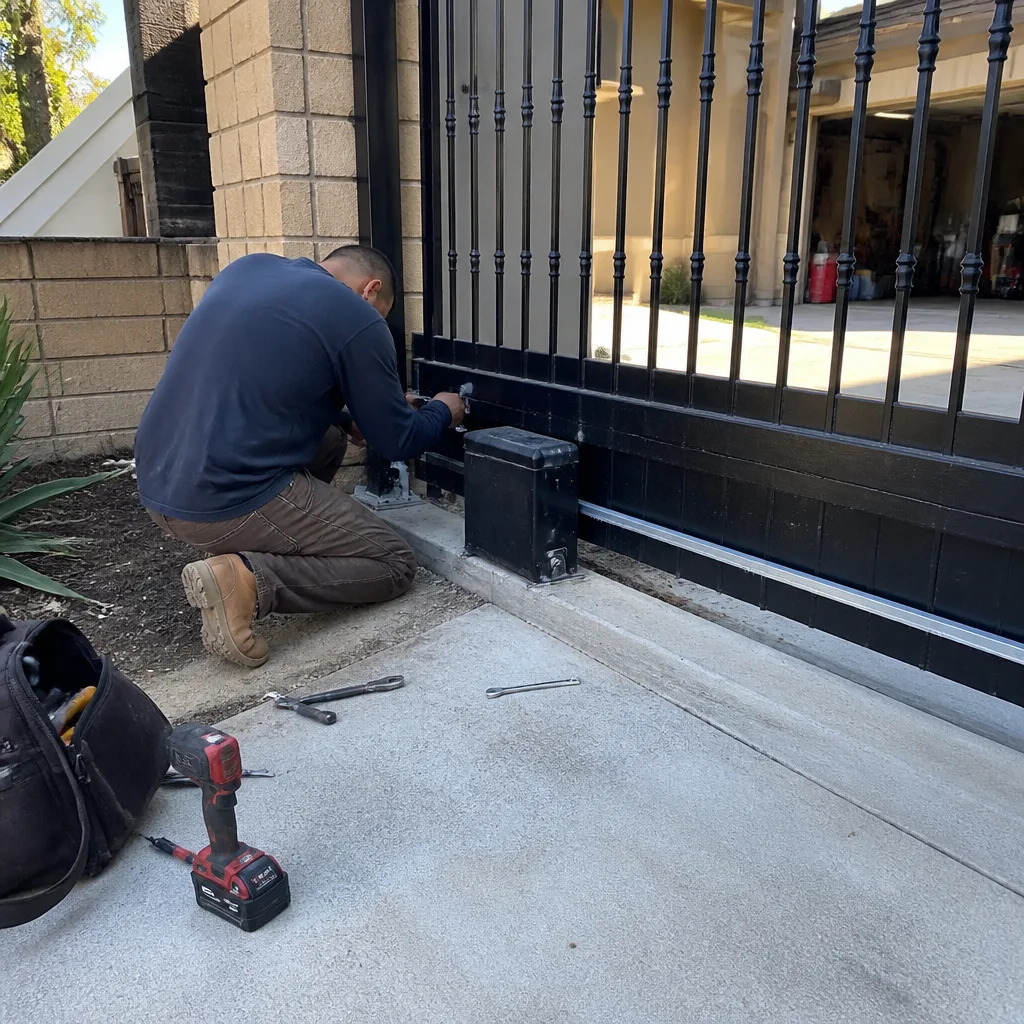
When we install a LiftMaster, FAAC, or any of the brands we service, we start from the manufacturer’s installation manual and the specific revision of that manual for the model and production date. That level of detail prevents the most common installation errors we see from generalist installers: incorrect force settings that cause premature gear wear, and limit switch errors that cause the gate to stop short or over-travel.
Common Mistakes to Avoid
- Buying an operator without checking local parts availability. A great price means nothing if the first repair involves a three-week wait for a backordered control board. Ask about board availability before you commit.
- Replacing an operator without diagnosing the failure. Many operators are replaced for a $50 capacitor failure. A diagnostic visit is always cheaper than an unnecessary replacement.
- Ignoring the duty cycle. Rialto households with multiple drivers often exceed residential duty ratings. An undersized operator fails early and the homeowner blames the brand instead of the sizing decision.
- Buying builder-grade hardware to save money. Zinc-plated hinges and open-bearing rollers fail in Rialto’s heat and dust within five years. Contractor-grade hardware costs more up front and less over time.
- Assuming a warranty covers installation labor. Most gate operator warranties cover parts only. Labor to diagnose and replace a defective part is usually on you. Factor that into brand comparisons.
- Switching brands without a reason. Brand loyalty is not the issue. The issue is that switching brands often means new remotes, new keypads, and new loop detector compatibility. Switch when the old brand is genuinely unserviceable, not on principle.
- Using a generalist installer for an electric gate system. Electric gates combine mechanical load management, electrical wiring, and control board programming. A handyman who installs fences is not equipped to program a LiftMaster board correctly.
When to Call a Professional
Some gate problems are safe to handle yourself: replacing a remote battery, lubricating hinges, clearing debris from the track. But the moment the problem involves an electric operator, a control board, or a gate that moves under power, the risk of injury rises sharply. Automatic gates are heavy, they move with significant force, and they are designed to overcome resistance. A gate that closes on a person can cause serious injury, and electrical work on a gate operator carries the same risks as any line-voltage repair.
If your gate is a manual gate with a broken weld or a sagging hinge, that is a mechanical repair that still benefits from a specialist’s equipment and experience. But if your electric gate is behaving erratically, reversing unexpectedly, refusing to close, or showing error codes on the keypad, that is a control system problem that requires brand-specific diagnostic tools and training. Do not open the operator housing and start testing components with a multimeter unless you know exactly what you are doing. Gate Repair Rialto offers free estimates in Rialto. Call (866) 569-6584 and describe what your gate is doing. We can often narrow down the cause over the phone and give you a clear picture of what the repair will involve.
Frequently Asked Questions
LiftMaster and FAAC are the strongest choices for most Rialto properties because they combine heat-tolerant design with excellent local parts availability. Rialto’s summer temperatures stress under-spec’d motors, and these brands have the track record and local distribution to handle it. For high-cycle commercial applications, FAAC’s hydraulic operators are proven in Inland Empire conditions.
A properly sized, professionally installed residential operator should last 10 to 15 years in Rialto’s climate, with component replacements like capacitors and batteries along the way. Undersized operators in high-traffic households often fail in five to seven years. The lifespan gap is driven by duty cycle mismatch more than brand differences.
Yes. Gate Repair Rialto services LiftMaster, FAAC, BFT, Linear, Viking, Ghost Controls, DoorKing, Elite, and Mighty Mule. Multi-brand experience means we diagnose correctly the first time regardless of what is installed, and we carry or source the right parts for each system rather than substituting generic fixes.
Most gate repairs in Rialto range from $150 for a simple capacitor or limit switch replacement to $800 for a control board replacement on a commercial operator. Full operator replacements typically run $700 to $2,500 depending on brand, duty rating, and installation complexity. The price is quoted and agreed before any work starts, so you will never face an unexpected invoice.
If the operator is under ten years old and the failure is a single component, repair is almost always the better value. If the operator is over twelve years old and the failure is the control board, or if the operator was undersized from the start, replacement may make more sense. The decision should follow a proper diagnosis, not a guess.
We prioritize emergency calls for gates that are stuck open or closed, which are security issues as much as convenience issues. Availability for same-day service depends on the day’s schedule and your location in Rialto. Call (866) 569-6584 and we will tell you honestly whether we can get there today.
The Bottom Line
Brand reputation matters less than local repairability, and local repairability in Rialto means parts on a distributor’s shelf within driving distance and technicians who know the brand’s failure patterns. LiftMaster and FAAC lead the market for that reason, not because of marketing. If your gate is already installed and failing, the most cost-effective move is almost always a proper diagnosis followed by a brand-matched repair. If you are buying new, size the operator for your actual traffic volume, spec contractor-grade hardware, and ask about board availability before you sign. A gate is a long-term purchase. The best brand is the one that can be repaired fast when it eventually fails. For a free estimate on any gate problem in Rialto, call (866) 569-6584.
Written by the team at Gate Repair Rialto, serving Rialto since 2013.
See the difference
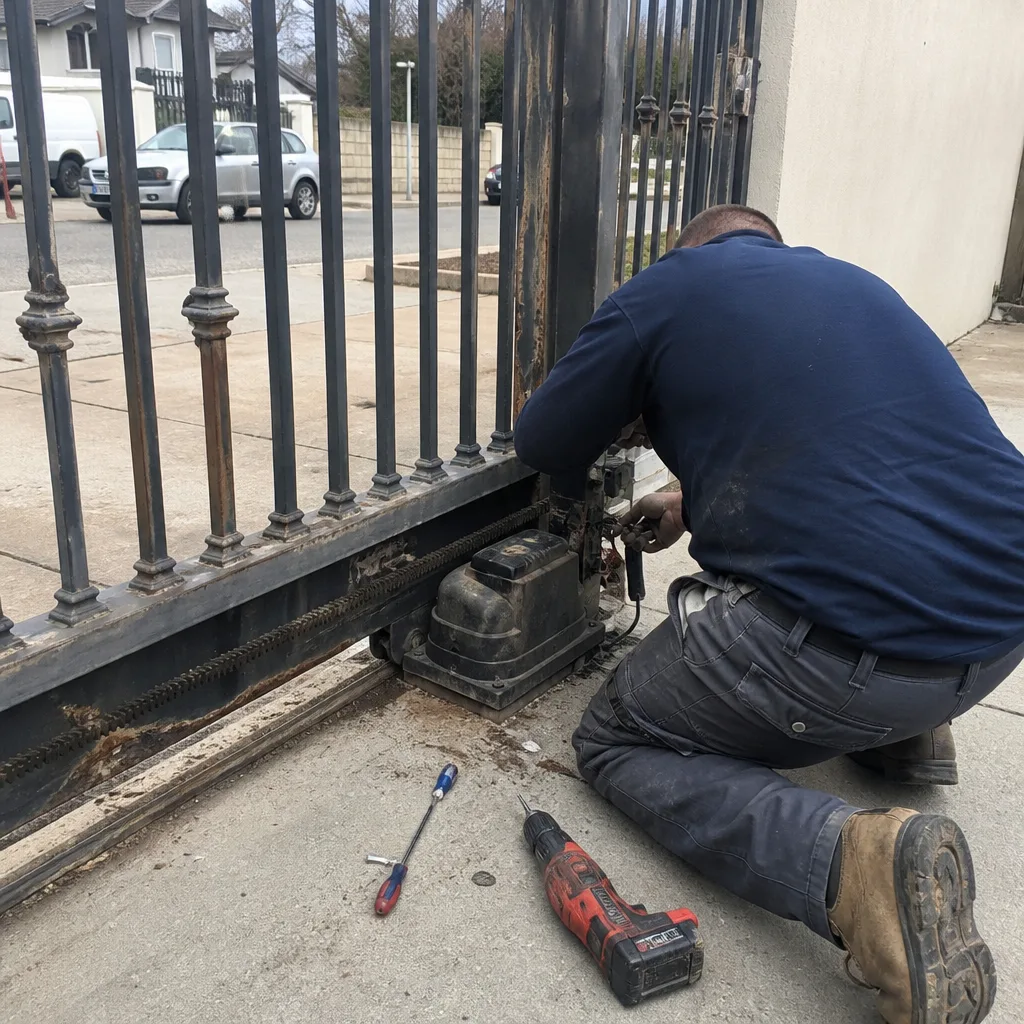 Before
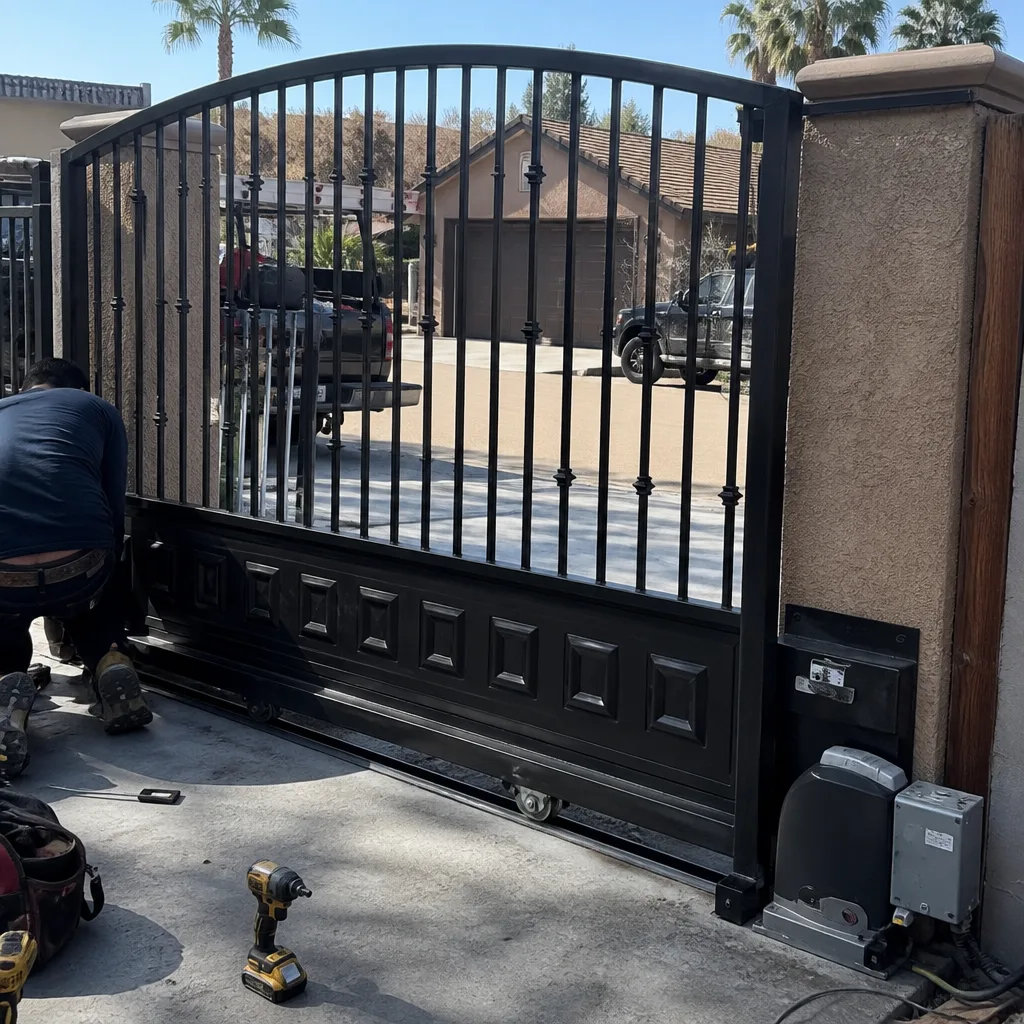 After
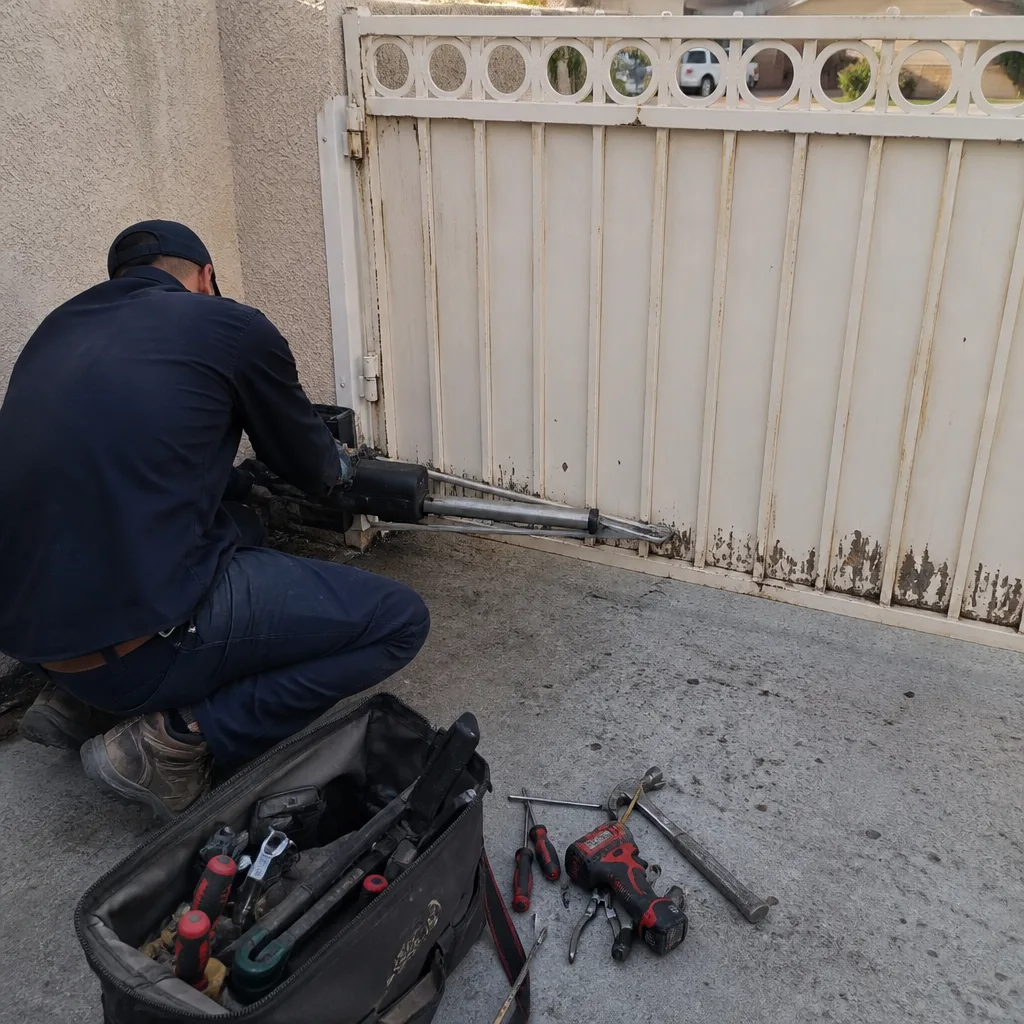 Before
 After
 Before
 After